
Independent pet retail: a dichotomy of data
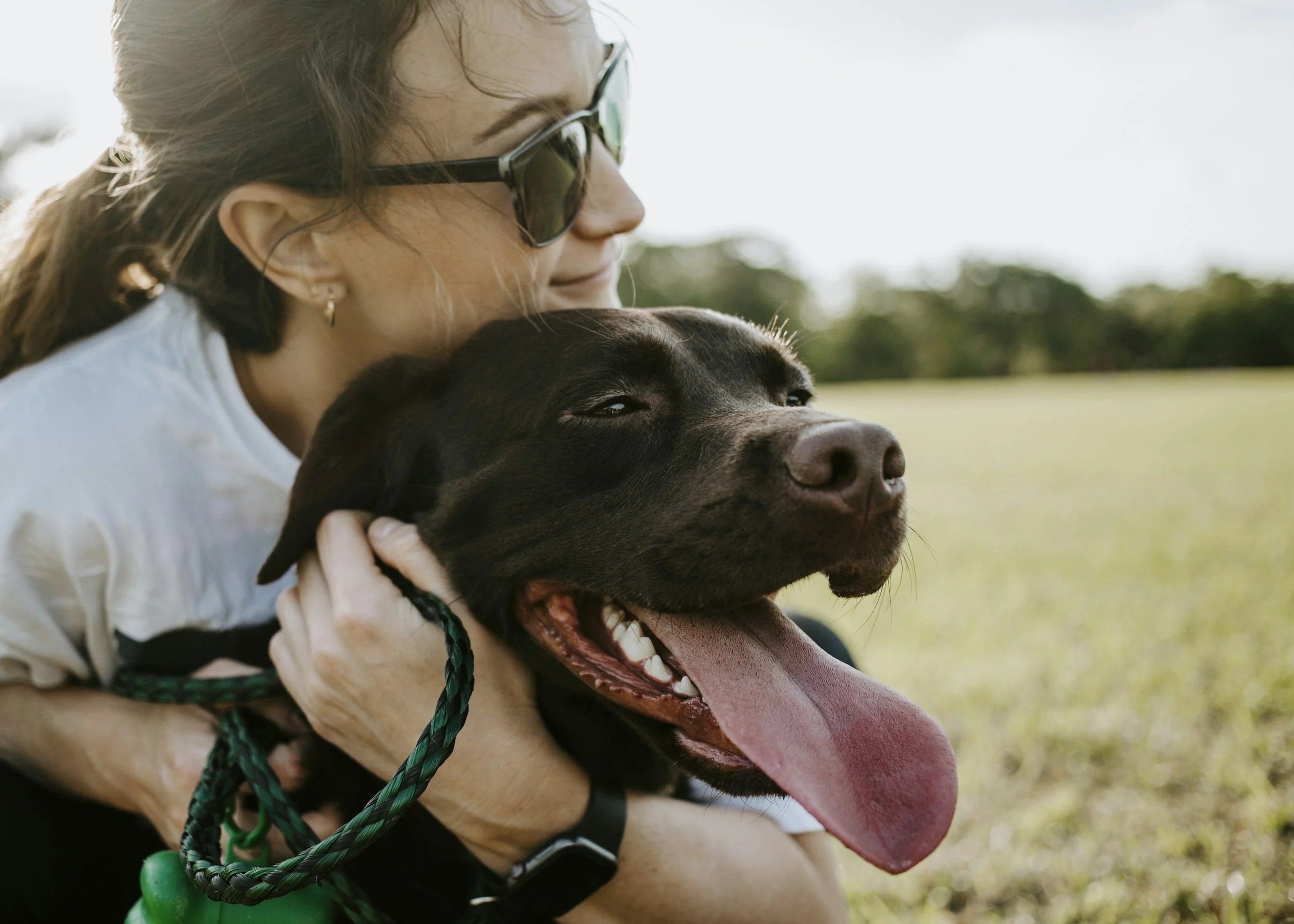
Pet owners are looking for the right price and the right connection, which can lead to retail angst in the age of omnichannel shopping. | Wade Austin Ellis, Unsplash
There is no single answer for how independent pet stores should operate, but there are clues among seemingly conflicting numbers.
BY Lindsay Beaton, Founder/Principal
Beaton Path Communications LLC
Even though pet spending has continued to rise in 2026, many independent pet retailers are noting decreased traffic in their stores. A large part of that is attributable to eCommerce: The omnichannel shopper is now the norm, with pet owners purchasing both in-stores (especially as-needed items, special occasion items and items to get pet owners through the gaps in their autoship orders) and online (autoship and other subscription services, as well as impulse purchases that can’t be easily found where the shopper might be). Those previous in-store buys that are now online had to switch from somewhere, and the indie space has taken its share of lumps as a result.
There’s also the cost of products: It’s no secret that physical retail costs more to execute, and as costs for everything rise and indie pet tries to remain sustainable, product prices are increasing in part to help offset operational costs. It’s difficult to make the argument that customers should spend more money when online mega-options can offer the same product for less.
Going to the source
eTailPet put together an industry report on “The State of Independent Pet Retail,” where they surveyed 189 independent pet retailers to determine how these two things (more pet spending, less in-store traffic) look in action.
One of the top takeaways from the report makes the dichotomy readily apparent: Overall transactions per store fell 15.6% over two years (the data range covered Q1 2024–Q2 2026), but the average ticket rose 4.5%, from US$57.41 to $59.98. Further, while 70% of retailers surveyed said they themselves have an online purchasing option, 90% of stores reported that e-commerce makes up 10% or less of overall sales.
Even the self-reported potential for growth in these conditions shifts among the retailers. Split into three groups by eTailPet, the most experienced pet retailers (21+ years in the industry) were the most conservative in their own projections. While a small majority (53%) did indicate that they expect growth in 2026, 19% said they expect a decline. Those with 6–20 years in business were a bit more optimistic, with 65% of those retailers looking at growth and 14% expecting a decline. Those newest to the indie pet retail game (less than 6 years in business) also had the most hope for growth: 89% indicated that they expect to see growth in 2026, and 17% of those expect growth above 20%.
What is indie pet supposed to do with this information?
Given that the data seem to crash into each other like ships on the rocks, what is indie pet supposed to take away from the information they do have? It’s been proposed for several years now that physical retailers look to the things they can offer that online or big box can’t, rather than focus on trying to fix the (perhaps unfixable) reality of the price points at hand. That advice is truer now than ever.
According to eTailPet’s survey, 50% of independent pet retailers see themselves as “a pet wellness partner who helps owners make informed decisions.” Twenty-two percent see themselves as “a trusted source for pet care advice. Very tellingly, only 1.4% said they see themselves as “a seller of pet products.” This is definitely a step in the right direction. Pet food can be purchased a dozen different ways at the click of a button, but what can’t be reproduced online is the relationship aspect of today’s commerce. Some pet owners will always be fine “setting and forgetting” now that it’s a convenience option, but more and more pet owners have questions that need reliable answers. Veterinarians are still a top choice, but it’s costing more to step into their offices, too. That leaves a need for comprehensive knowledge that Google searches can’t quite satisfy.
Independent pet retail shops must become destinations. Knowledgeable workers, a variety of premium options (already expected by customers if they’re walking into an independent store) and additional services that simply cannot be manufactured via eCommerce will continue to lead the way.
“Independent retailers have always been about relationships,” said Nicole Needles, a contributing writer for industry association IndiePet, in an article written in honor of 2026’s Neighborhood Pet Store Day (held in September). “They know their customers and their pets by name, remember the picky eater who finally found the perfect food, and celebrate when a puppy graduates from training or a senior pet finds relief with a new supplement. Those everyday interactions build trust, loyalty and stronger communities.”
Trust and loyalty are more difficult to find than ever, but the human touch that indie pet stores excel in — and pet parents are looking for — will keep many customers coming back when competitive pricing can’t. That’s what indie pet should focus on if it wants to continue to grow in one of the most competitive landscapes in consumer goods.